
Introduction to Modern Diet Trends
Why Diet Choices Matter in 2026
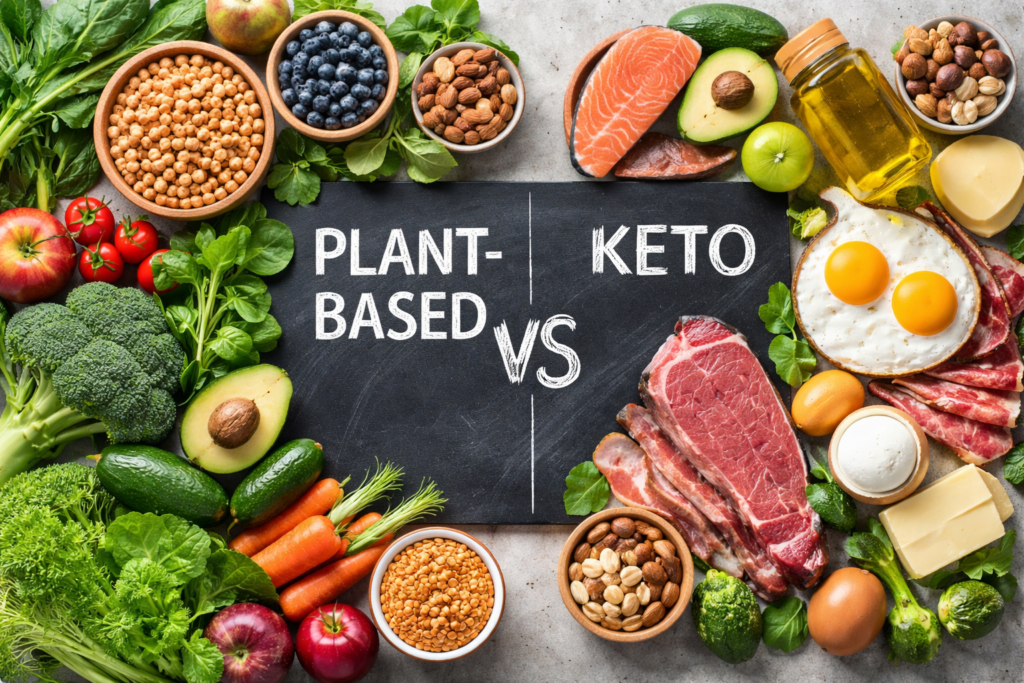
In today’s fast-paced world, choosing the right diet isn’t just about weight loss—it’s about long-term health, energy, and disease prevention. The debate around Plant-Based vs. Keto: Which Diet Is Right for You? has gained serious traction as more people look for sustainable and science-backed nutrition plans.
Recent research highlights that diet impacts everything—from heart health to gut bacteria and even mental clarity. So, picking the right one isn’t a trend—it’s a lifestyle decision.
The Rise of Personalized Nutrition
Gone are the days of one-size-fits-all diets. Experts now emphasize personalised nutrition, meaning your ideal diet depends on your goals, body type, and medical history.
What Is a Plant-Based Diet?
Types of Plant-Based Diets
A plant-based diet focuses primarily on foods derived from plants such as fruits, vegetables, legumes, nuts, and whole grains.
Vegan, Vegetarian, Flexitarian Explained
- Vegan: No animal products at all
- Vegetarian: Includes dairy and/or eggs
- Flexitarian: Mostly plant-based with occasional meat
Core Principles of Plant-Based Eating
- Emphasizes whole, unprocessed foods
- Rich in fiber, antioxidants, and vitamins
- Limits or avoids animal products
👉 Studies show plant-based diets may reduce the risk of heart disease and diabetes while improving overall health.
What Is the Keto Diet?
How Ketosis Works?
The ketogenic (keto) diet is a high-fat, low-carb diet that forces your body into a metabolic state called ketosis—where fat becomes the primary fuel instead of carbohydrates.
Macronutrient Breakdown of Keto
- 70–75% fat
- 20–25% protein
- 5–10% carbohydrates
This drastic carb reduction is what triggers rapid fat burning.
Plant-Based vs. Keto: Key Differences
Food Choices and Restrictions
| Plant-Based | Keto |
| Fruits, veggies, grains | Meat, fats, low-carb veggies |
| High fiber | Very low carbs |
| Minimal processed foods | Limited fruits and grains |
Nutritional Composition
- Plant-based = High carbs, high fiber
- Keto = High fat, very low carbs
Health Benefits of Plant-Based Diet

Heart Health and Longevity
A plant-based diet is widely praised for heart health. It helps:
- Lower cholesterol
- Reduce blood pressure
- Decrease inflammation
Long-term studies show it may reduce cardiovascular disease risk significantly.
Gut Health and Immunity
Plant-based foods are rich in fiber, which feeds healthy gut bacteria.
- Improves digestion
- Boosts immunity
- Enhances mood
Experts note that plant-based diets support a diverse gut microbiome, which is essential for overall health.
Health Benefits of Keto Diet
Weight Loss and Fat Burning
Keto is famous for rapid weight loss. It works by:
- Burning fat for fuel
- Reducing appetite
- Lowering calorie intake naturally
Blood Sugar Control
Keto can stabilize blood sugar levels, making it beneficial for people with diabetes or insulin resistance.
Risks and Downsides of Both Diets
Nutrient Deficiencies
- Plant-Based Risks: B12, iron, omega-3 deficiency
- Keto Risks: Fiber, vitamin C, potassium deficiency
Sustainability and Long-Term Effects
- Plant-based diets are easier to maintain long-term
- Keto may be difficult due to strict carb limits
Some studies also warn that long-term keto may have potential health risks if not properly managed.
Which Diet Is Better for Weight Loss?
- Short-term: Keto wins (fast results)
- Long-term: Plant-based is more sustainable
Interestingly, research shows people may consume fewer calories naturally on plant-based diets.
Which Diet Is Better for Gut Health?
- Plant-based diets support gut bacteria
- Keto may reduce microbial diversity due to low fiber
👉 Verdict: Plant-based wins for gut health.
Which Diet Is Easier to Maintain?
- Plant-based = flexible and diverse
- Keto = restrictive and harder socially
Which Diet Is Better for Gut Health?
- Plant-based diets support gut bacteria
- Keto may reduce microbial diversity due to low fiber
👉 Verdict: Plant-based wins for gut health.
Which Diet Is Easier to Maintain?
- Plant-based = flexible and diverse
- Keto = restrictive and harder socially
Who Should Choose Plant-Based?
Choose plant-based if you:
- Want long-term health benefits
- Care about heart health
- Prefer sustainable eating
Who Should Choose Keto?
Choose keto if you:
- Want rapid weight loss
- Need blood sugar control
- Can follow strict guidelines
Can You Combine Both Diets?
Yes! A plant-based keto diet is emerging as a hybrid approach, combining:
- Healthy fats (nuts, seeds, avocado)
- Low-carb vegetables
This offers benefits of both worlds—but requires careful planning.
Expert Tips for Choosing the Right Diet
- Focus on whole foods
- Avoid extreme restrictions
- Consult a nutritionist
- Choose sustainability over trends
FAQs About Plant-Based vs. Keto
1. Which diet is healthier overall?
Plant-based diets are generally considered healthier for long-term heart and metabolic health.
2. Is keto safe long-term?
It can be safe under supervision, but long-term effects are still debated.
3. Can I lose weight on a plant-based diet?
Yes, especially with whole, unprocessed foods.
4. Which diet is better for diabetes?
Keto helps short-term blood sugar control, while plant-based may help prevent diabetes.
5. Is plant-based diet expensive?
Not necessarily—staples like beans, rice, and vegetables are affordable.
6. Can I switch between diets?
Yes, but transitions should be gradual.
Conclusion: Final Verdict
So, Plant-Based vs. Keto: Which Diet Is Right for You?
👉 The answer depends on your goals:
- Choose Plant-Based for long-term health, sustainability, and gut health
- Choose Keto for quick weight loss and blood sugar control
💡 Best advice: The “right” diet is the one you can stick to consistently while meeting your nutritional needs.